25 More Years
On the Importance of Place
By Ben Beaumont
16 October 2026
Recently, I asked a group of academics to consider place as a distinctive part of their university story. But some weren’t having it: “It’s our people that make us distinctive” said one. Completely true, of course. But why are your people so distinctive? Why are they attracted to your city, and a university like yours? Why are they here, and not somewhere else? What do you have around here that you can’t get elsewhere? That leads to all kinds of interesting conversations – lots of them about place.
Place is not new, but it does feel quite now.
Place gives your fundraising story energy and specificity. In a world of marketing meh and AI slop, talking about place is a way for your story to stand out – and a way to make your reader feel. This is especially true in higher education, where USPs are harder to define, where everything is about building a brighter future, and where every set of philanthropic priorities spans access, health and sustainability.
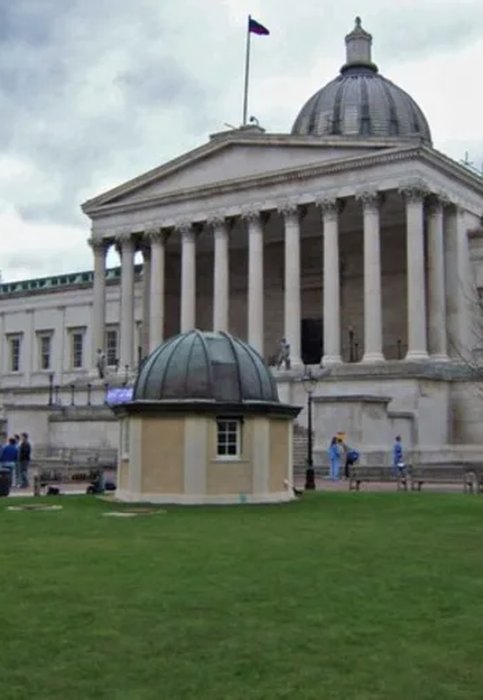
Witness UCL’s new campaign hinging on Here, it will happen. Colleagues steeped in the culture and heritage sectors will also be able to talk better than me about the centrality of “place making” to an organisation’s impact. Many of the best stories I’ve worked on recently feature some element of their place as a hook for donors.
If I try to consider what’s going on here, it strikes me that we have some different elements at play:
Place as nostalgia, especially for alumni.
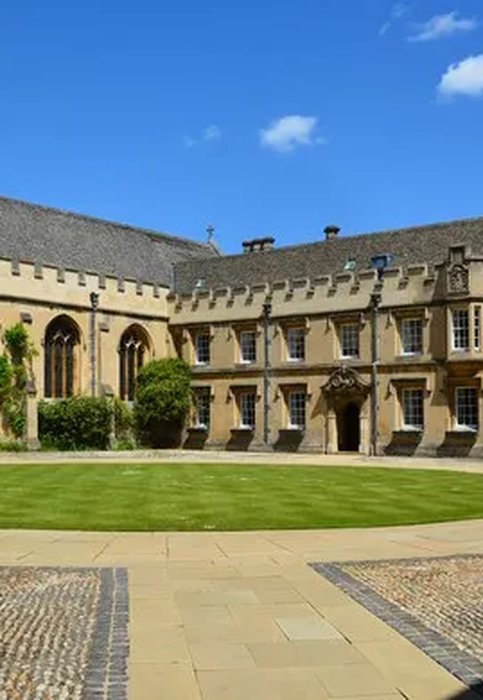
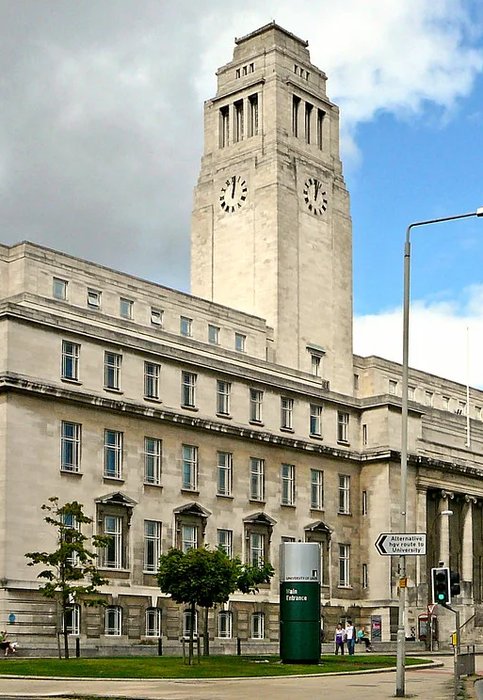
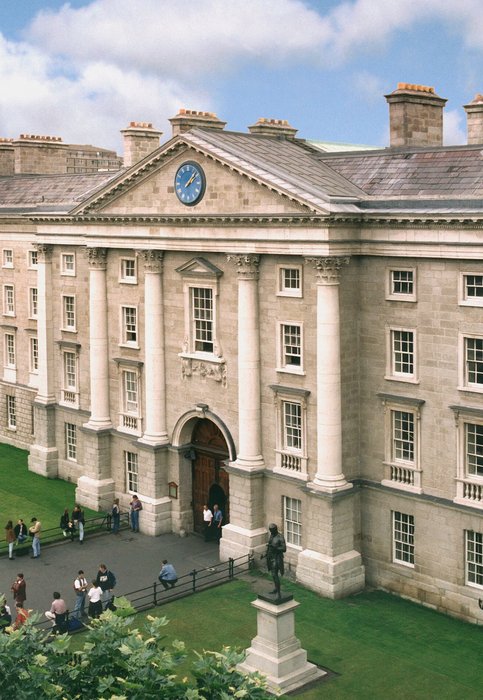
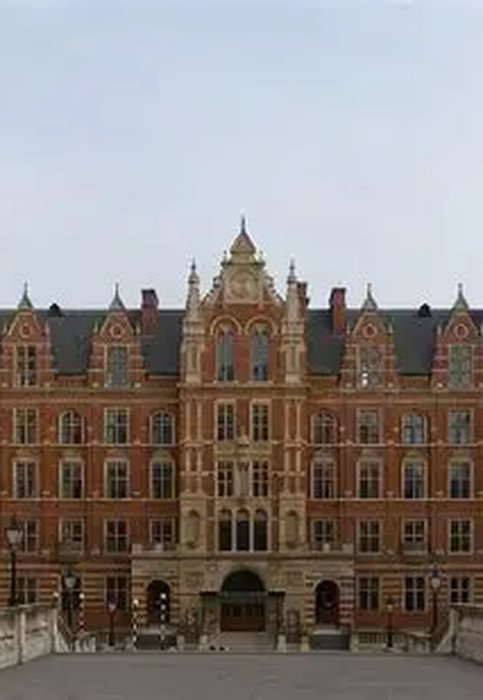
This is where mention of specific buildings, streets, landscapes and landmarks evokes strong memories. From my own recent work, I’m thinking the “Tommy White” building at St John’s College, Oxford; the Parkinson Building at my alma meter in Leeds; the bustle of Gower Street at UCL; Front Square at Trinity College Dublin; the RCA’s Darwin Building. The idea of protecting these places for future generations, and of giving others the same opportunities and experiences that these places gave you, is a powerful, emotional motivator.
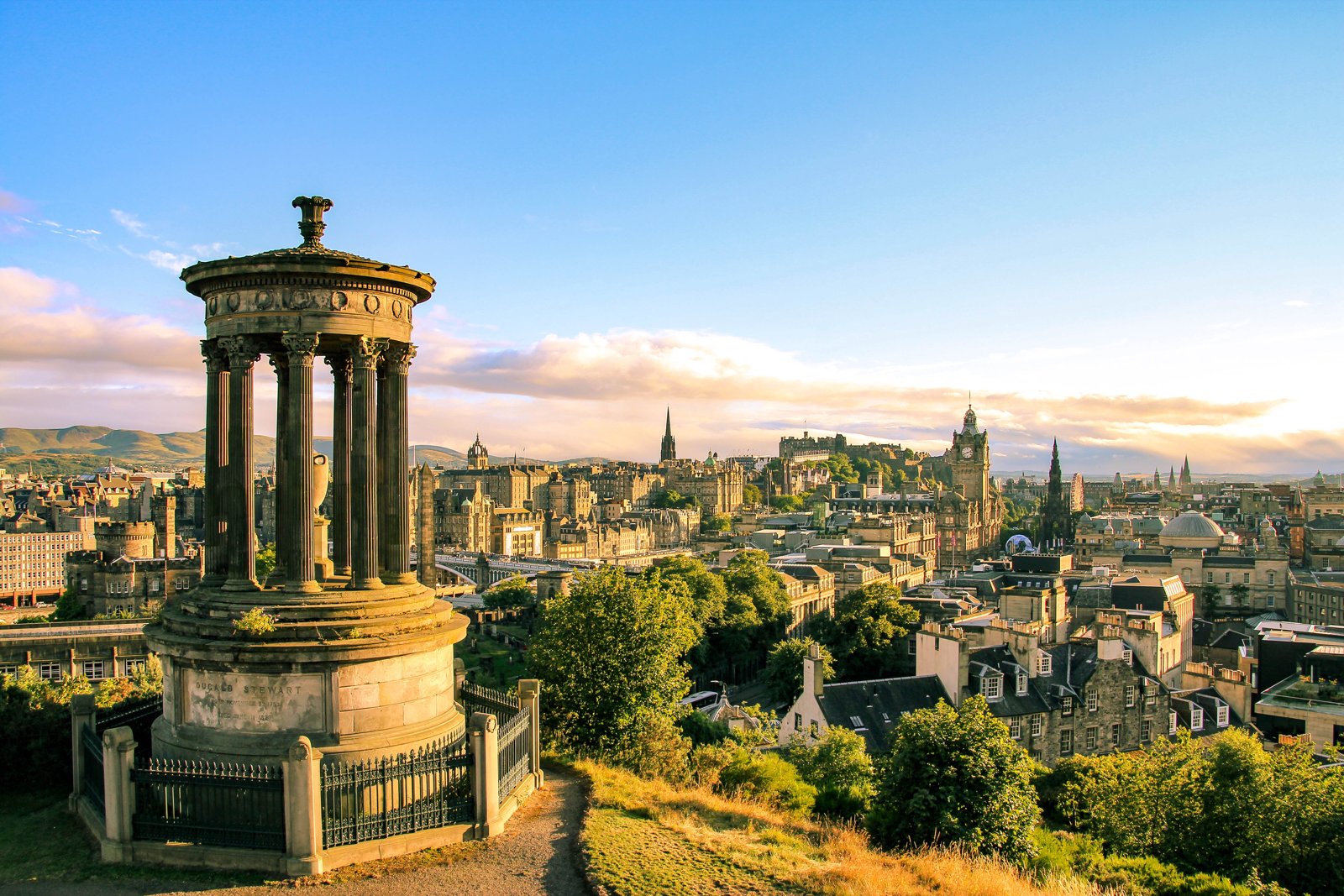
There’s also something here about the power of place for diaspora audiences. When we spoke to US-based alumni of UCL, they spoke fondly of their time in London’s streets – with centuries of history and culture on their doorstep. There’s a kind of philanthropic tourism at play – see also the strong US attachments to universities and charities in Ireland and Scotland.
Place as a shaper of values.
Here, I’m talking about the slightly magical qualities that define your approach to the world’s challenges – and how these can be informed by your place. At the University of Liverpool, they played on how this global port city creates a spirit of welcome, warmth and collaboration. Elsewhere, Manchester’s last campaign talked of “original thinkers”, drawing on the city’s driving role in the industrial revolution. Back in Ireland, Cork’s second city status gives its people a sense of rebellion and independence. In Scotland, Robert Gordon University draws on the “hands on, practical experience” of people who shaped the north east through fishing, industry, oil and gas. And in New Zealand, the University of Auckland draws on the country’s “number 8 wire tradition” to solve complex challenges with whatever’s at hand.
Place as driver of impact.
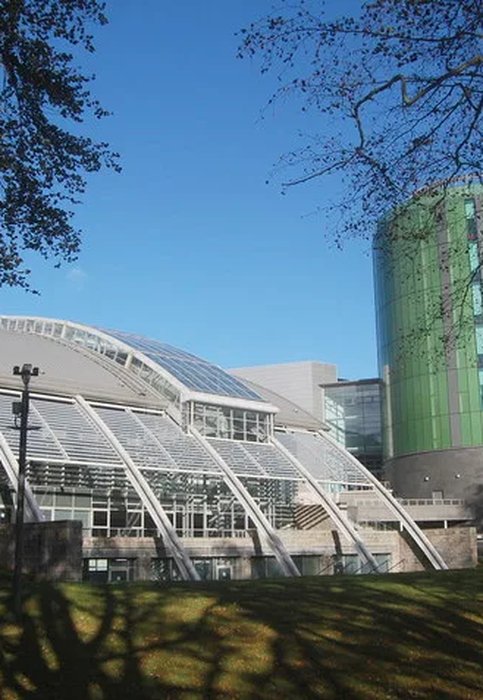
Of course, an institution’s setting and location can more directly influence its impact on the world. Liverpool’s strong sense of community and track record of civic involvement meant it was the best place to trial the vaccine roll out and test the first Covid mass events. Many universities and research organisations can claim distinctive, local ecosystems in areas such as health, where the NHS, industry, pharma, community, academia and policy combine to powerful effect. Aberystwyth’s setting is a launch pad for rural, coastal and Welsh communities, in the same way that Charles Sturt University is driving impact for rural, regional Australia.
Place as evoker of awe and wonder.
Then there are some stories where a photo will do the job better than any words. Where the place in question is so awe-inspiring, so beautiful, so thought-provoking that you just want to stick a big picture on the front of the Case for Support and be done with it. I’m thinking the dramatic – and iconic – Scottish landscapes protected by the John Muir Trust. The stunning architectural vision behind the rethinking of the British Museum. The incredible seafront artwork curated by Creative Folkestone.
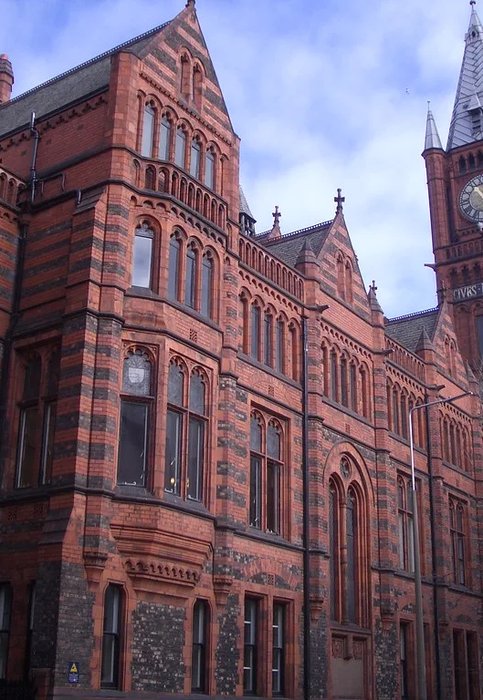
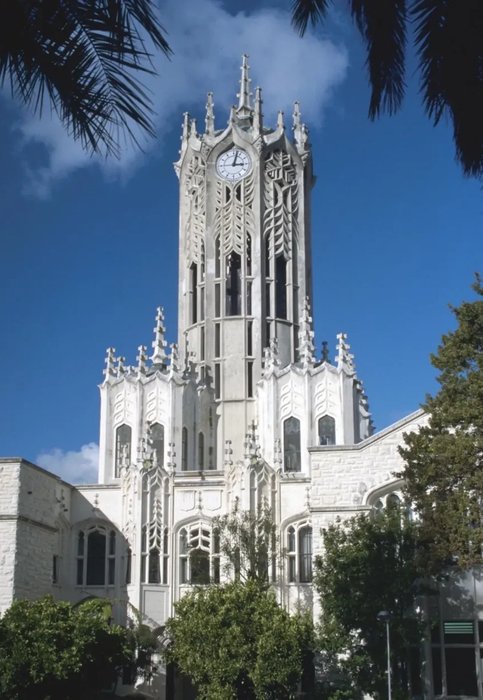
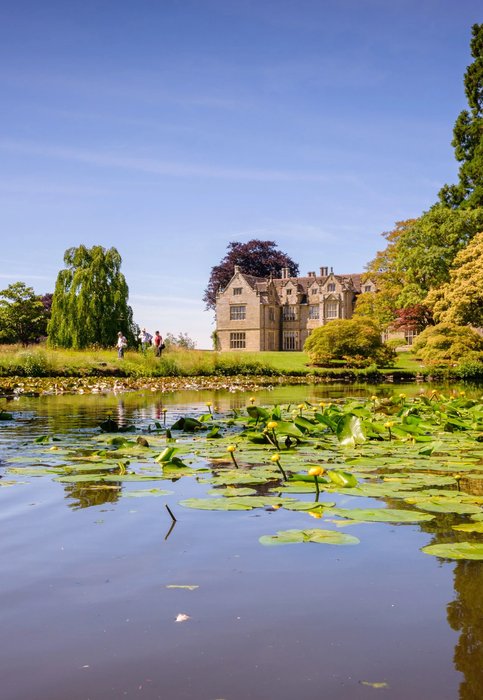
One other thought on place. Where place is, seemingly, the main story, we shouldn’t forget to probe deeper. For example, on one level, Lichfield Cathedral is absolutely a story about protecting a magnificent building for future generations. But actually, as we all know when it comes to capital projects, it’s what happens within that building that matters. And while the beauty of the building helps, what happens inside is driven by the shared values of staff, volunteers and congregation. So then you need to ask – from where do they get those values?
But what does all this mean for our work?
At the simplest level, there’s an opportunity to be more intentional in the questions we ask in internal interviews, and in the exercises we include in workshops, so that place is front of mind rather than incidental.
There’s also the imperative to visit these places in person, so that we too can see and feel their magic; I still fondly recall a tour of Kew Garden’s Wakehurst site, and without in-depth trips to – and tours of – places such as Aberystwyth, Folkestone and Helsinki, the stories we developed wouldn’t have been as strong.